
Exotic Plants That Instantly Make Your Home Look Luxurious & Tropical
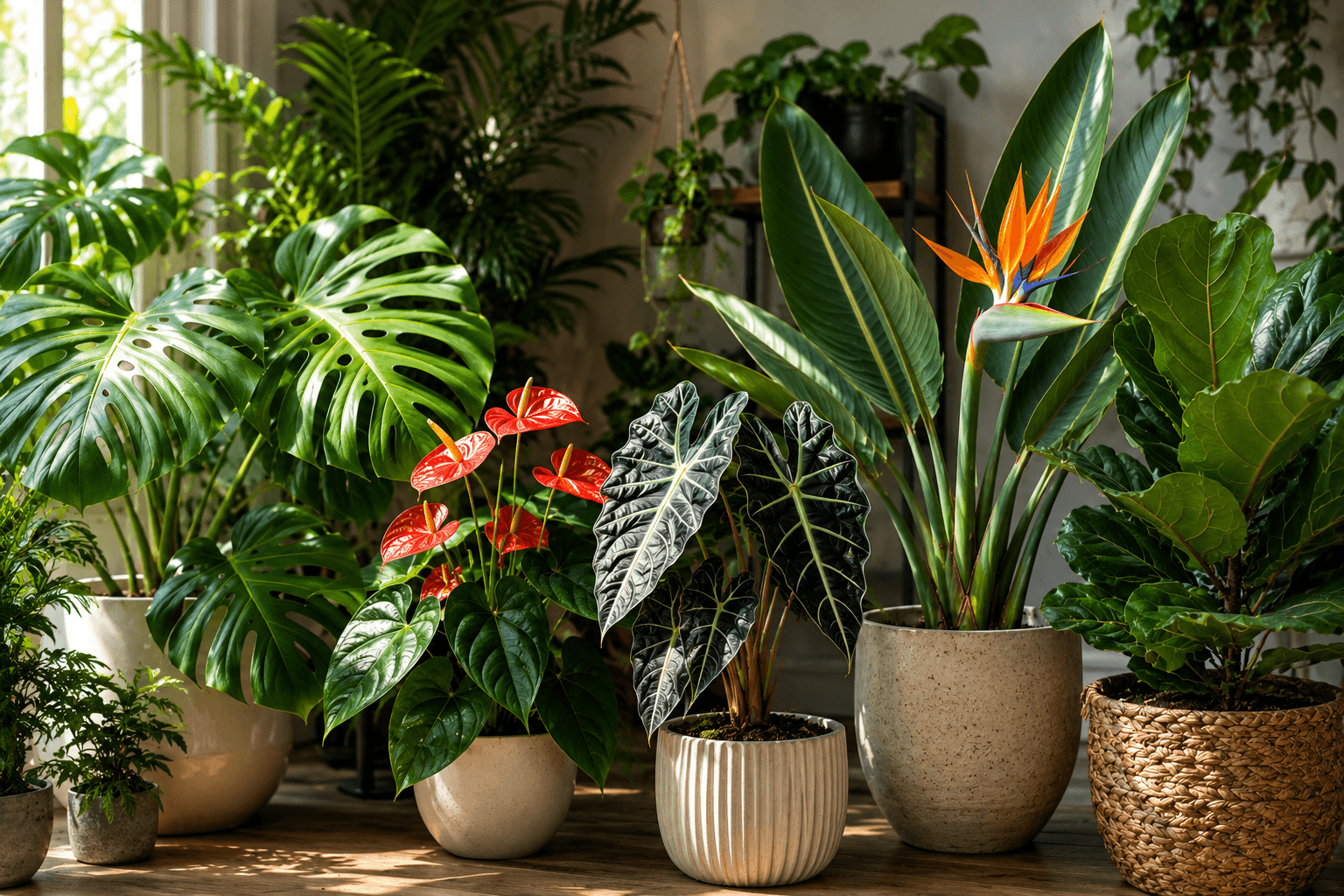
Indoor plants are no longer just decorative accessories — they have become an important part of modern lifestyle and interior design. Among all indoor plants, exotic plants stand out because of their dramatic appearance, tropical beauty, and luxurious feel. Their large leaves, unique textures, and bold greenery can completely transform ordinary spaces into peaceful natural retreats.
Exotic plants are especially popular in modern homes because they combine aesthetics with wellness. They help create calm environments, improve air quality, and bring freshness into indoor spaces. Many of these plants also have fascinating histories and origins connected to tropical forests around the world.
In this guide, we’ll explore some of the most popular exotic plants, including their scientific names, historical background, care requirements, sunlight needs, watering schedule, and why they have become iconic in home décor.
Monstera Deliciosa — The Iconic Tropical Statement Plant


Scientific Name
Monstera deliciosa
Plant Family
Araceae
Native Region
Southern Mexico and Central America
History of Monstera Plants
The Monstera Deliciosa originates from tropical rainforests where it naturally climbs trees using aerial roots. The name “Monstera” comes from the Latin word meaning “monstrous” because of its unusually large leaves and dramatic growth pattern.
In tropical forests, the plant grows under large trees and develops natural leaf holes called fenestrations. These holes help strong winds pass through the leaves during storms.
Monstera plants became extremely popular worldwide during the modern interior design movement because of their bold tropical appearance and Instagram-friendly aesthetic.
Why Monstera Plants Are Popular
Monstera plants instantly create a luxurious tropical atmosphere indoors. Their large split leaves make rooms feel lively, elegant, and modern.
Main Benefits
Beautiful tropical appearance
Large decorative foliage
Air-purifying qualities
Excellent statement plant
Works well in minimalist interiors
How to Care for Monstera Deliciosa
Sunlight Requirements
Monsteras prefer:
bright indirect sunlight
warm indoor conditions
Direct harsh sunlight may burn the leaves.
Watering
Water when the top 2 inches of soil feel dry
Avoid overwatering
Humidity
Monsteras enjoy:
- moderate to high humidity
Occasional misting helps maintain healthy leaves.
Soil Type
Use:
well-draining potting mix
coco peat
perlite
organic compost
Temperature
Ideal temperature:
- 18°C to 30°C
Fertilizer
Feed monthly during growing season using organic fertilizer.
Common Problems
Yellow Leaves
Usually caused by:
excessive watering
poor drainage
Brown Leaf Edges
Caused by:
dry air
low humidity
Slow Growth
Often due to:
insufficient light
nutrient deficiency
Bird of Paradise — Tropical Luxury Plant


Scientific Name
Strelitzia reginae
Plant Family
Strelitziaceae
Native Region
South Africa
History of Bird of Paradise Plants
The Bird of Paradise plant was named because its flower resembles a colorful tropical bird in flight. It became popular in European botanical gardens during the 18th century and later became a symbol of tropical luxury and exotic landscaping.
Today, Bird of Paradise plants are widely used in luxury hotels, resorts, and premium home interiors.
Why It’s Special
Its large banana-like leaves create a dramatic tropical atmosphere indoors.
Main Benefits
Elegant tropical appearance
Large decorative foliage
Creates resort-style interiors
Excellent corner plant
Care Guide
Light Requirements
Needs:
bright indirect light
some direct morning sunlight
Watering
Water moderately
Let top soil dry slightly before watering again
Humidity
Prefers:
average indoor humidity
warm environments
Best Placement
Perfect near:
large windows
balconies
bright living rooms
Alocasia — The Designer Exotic Plant


Scientific Name
Alocasia amazonica (common indoor variety)
Plant Family
Araceae
Native Region
Southeast Asia
History of Alocasia Plants
Alocasia plants have existed in tropical Asian forests for centuries. Because of their dramatic leaf patterns, they became highly desirable among collectors and interior designers.
Many Alocasia varieties are called “Elephant Ear Plants” because of their oversized leaves.
Why Alocasia Plants Stand Out
Their dark leaves and contrasting veins create a rare artistic appearance rarely seen in ordinary houseplants.
Benefits
Bold modern aesthetic
Unique leaf textures
Excellent luxury décor plant
Creates dramatic focal point
How to Care for Alocasia
Sunlight
Requires:
- bright indirect light
Watering
Keep soil lightly moist
Never allow soil to stay soggy
Humidity
Needs:
high humidity
warm temperatures
Soil
Use:
- airy well-draining soil mix
Temperature
Ideal range:
- 18°C to 28°C
Common Issues
Drooping Leaves
Usually caused by:
underwatering
low humidity
Yellow Leaves
Often caused by:
- overwatering
Anthurium — Exotic Flowering Elegance


Scientific Name
Anthurium andraeanum
Plant Family
Araceae
Native Region
Central and South America
History of Anthuriums
Anthuriums became famous because of their glossy heart-shaped flowers and long-lasting blooms. In tropical cultures, they are often associated with hospitality and happiness.
Today they are widely used in modern home décor because they combine greenery with vibrant color.
Why Anthuriums Are Popular
Unlike many exotic plants that focus only on foliage, Anthuriums produce striking flowers throughout the year.
Main Benefits
Decorative flowers
Tropical appearance
Compact size
Elegant indoor plant
Anthurium Care Guide
Light
Needs:
- medium to bright indirect light
Watering
Water moderately
Keep soil lightly moist
Humidity
Higher humidity encourages flowering.
Soil
Use:
- loose well-draining mix
Fiddle Leaf Fig — The Modern Interior Icon


Scientific Name
Ficus lyrata
Plant Family
Moraceae
Native Region
Western Africa
History of Fiddle Leaf Fig Plants
Fiddle Leaf Figs became internationally popular during the rise of minimalist and Scandinavian interior design styles. Their violin-shaped leaves create a clean architectural appearance that fits beautifully into modern homes.
Why Interior Designers Love It
The plant adds height, structure, and elegance to indoor spaces.
Main Benefits
Large decorative leaves
Luxury interior appearance
Perfect statement plant
Ideal for modern homes
Care Instructions
Light
Requires:
- bright filtered sunlight
Watering
- Water when top soil dries slightly
Humidity
Average indoor humidity works well.
Important Tip
Avoid moving the plant frequently because sudden environmental changes may stress it.
Why Exotic Plants Are Good for Homes
Exotic plants improve homes in several ways:
Mental Wellness
Greenery creates a calming psychological effect.
Air Quality
Many tropical plants help improve indoor air freshness.
Interior Aesthetics
Large exotic plants instantly make interiors feel premium and professionally designed.
Natural Connection
Plants help reconnect people with nature in busy urban lifestyles.
Final Thoughts
Exotic plants are one of the best ways to create luxurious, peaceful, and visually stunning indoor spaces. Whether it’s the dramatic leaves of Monstera Deliciosa, the tropical elegance of Bird of Paradise, or the artistic beauty of Alocasia, each plant brings a unique personality and natural energy into your home.
With proper care and understanding of their natural environment, exotic plants can thrive indoors while transforming your home into a refreshing green sanctuary.
At Botaniah, we believe beautiful greenery and natural living can turn everyday homes into calm, inspiring spaces filled with comfort and life.