
Snake Plant Care, The Complete Guide to Growing a Healthy and Thriving Snake Plant
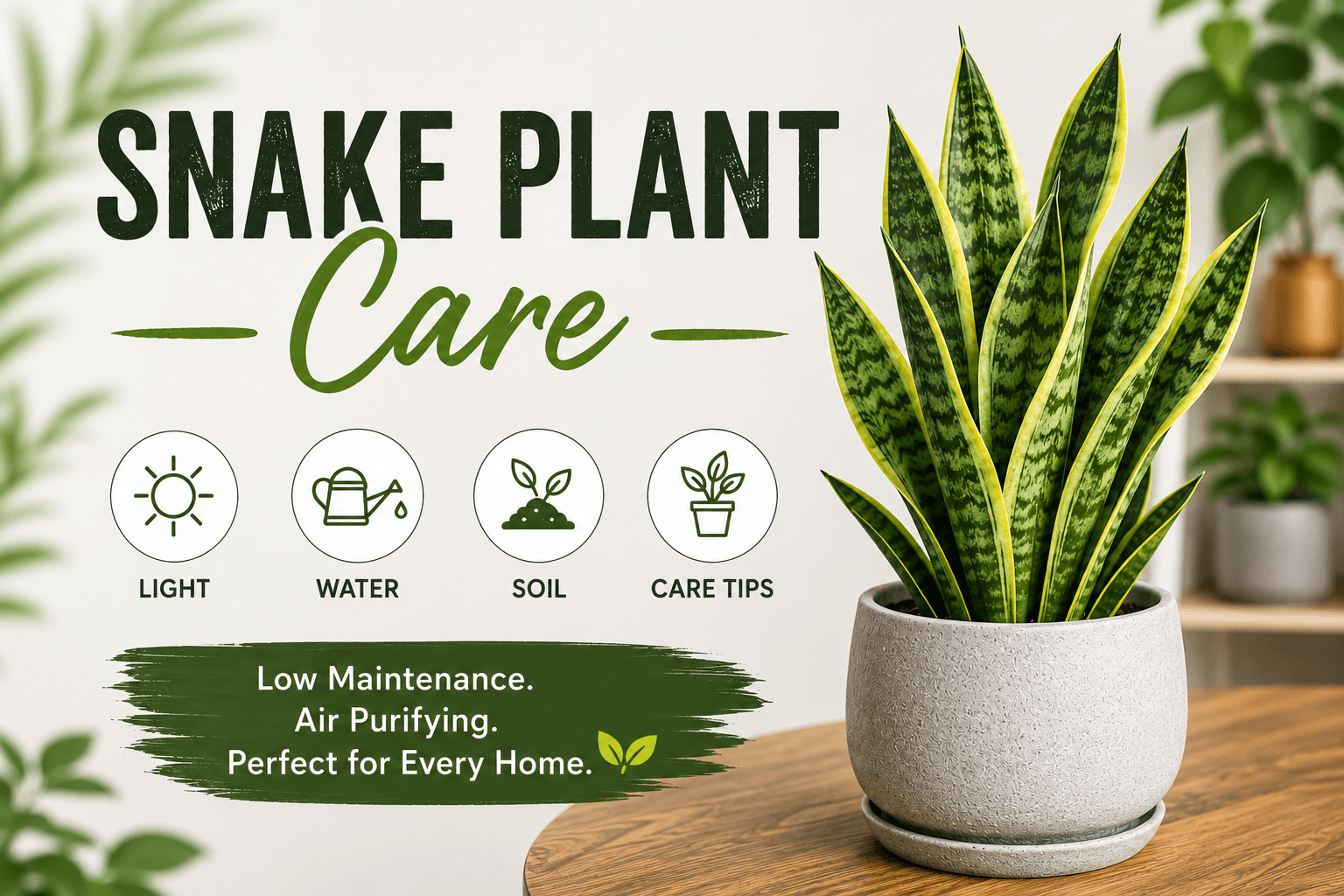
The snake plant is one of the most popular houseplants in the world, and for good reason. Known for its striking upright leaves, adaptability, and low-maintenance nature, this plant has become a favorite among beginners and experienced gardeners alike. Whether you live in a small apartment, work in an office, or simply want a beautiful indoor plant that requires minimal attention, the snake plant is an excellent choice.
Originally native to West Africa, the snake plant belongs to the Dracaena genus and was previously classified as Sansevieria. It is commonly known by several names, including Mother-in-Law's Tongue, Saint George's Sword, and Viper's Bowstring Hemp. Its bold, sword-like leaves add a modern and elegant touch to any space while requiring very little care compared to many other houseplants.
Despite its reputation as an almost indestructible plant, proper care is still important if you want your snake plant to thrive rather than merely survive. Understanding its light, watering, soil, temperature, and maintenance requirements will help ensure healthy growth and vibrant foliage for years to come.
In this comprehensive guide, we'll cover everything you need to know about snake plant care, including planting, watering, propagation, troubleshooting common issues, and expert tips for keeping your plant healthy and beautiful.
Understanding the Snake Plant
Snake plants are evergreen perennials that grow naturally in dry, rocky environments. Their thick leaves store water, making them highly drought tolerant. This ability allows them to withstand neglect better than many other indoor plants.
There are numerous varieties of snake plants available today. Some of the most popular include:
Sansevieria Trifasciata 'Laurentii'
This classic variety features dark green leaves with attractive yellow margins.
Sansevieria Moonshine
Known for its silvery-green foliage and modern appearance.
Sansevieria Cylindrica
Features cylindrical, spear-like leaves that grow vertically.
Bird's Nest Snake Plant
A compact variety with shorter leaves arranged in a rosette pattern.
Regardless of the variety, most snake plants share similar care requirements, making them easy to grow and maintain.
Benefits of Growing a Snake Plant
Before diving into care instructions, it's worth understanding why snake plants have become so popular.
1. Extremely Low Maintenance
Snake plants can tolerate occasional neglect, making them ideal for busy individuals, frequent travelers, or beginner gardeners.
2. Adaptable to Different Light Conditions
Unlike many houseplants that require bright sunlight, snake plants can survive in both low-light and bright-light environments.
3. Drought Resistant
Their succulent-like leaves store water efficiently, reducing the need for frequent watering.
4. Long Lifespan
With proper care, a snake plant can live for decades and continue producing new growth year after year.
5. Stylish Appearance
The plant's architectural shape complements modern, minimalist, and traditional interior designs alike.
6. Suitable for Offices
Snake plants perform well under artificial lighting, making them excellent choices for office spaces and commercial buildings.
Light Requirements for Snake Plants
Light is one of the most important factors affecting snake plant health.
Ideal Lighting Conditions
Snake plants thrive best in bright, indirect sunlight. A location near an east-facing or north-facing window is often ideal. They can also tolerate some direct morning sunlight.
Bright light encourages:
Faster growth
Stronger leaves
Better coloration
Increased production of new shoots
Can Snake Plants Survive in Low Light?
Yes. One reason snake plants are so popular is their ability to survive in low-light conditions.
However, it's important to understand that survival and thriving are not the same thing. In low light, snake plants may:
Grow more slowly
Produce fewer new leaves
Develop weaker foliage
Lose some color intensity
If possible, provide moderate to bright indirect light for the healthiest growth.
Avoid Excessive Direct Sunlight
Prolonged exposure to intense afternoon sun can scorch the leaves, causing:
Brown patches
Dry edges
Fading color
If your plant receives direct sunlight, monitor it carefully and move it if signs of sunburn appear.
Watering Snake Plants Correctly
Overwatering is the number one cause of snake plant problems.
Because snake plants store water in their leaves, they can go for extended periods without watering.
How Often Should You Water?
The answer depends on several factors:
Season
Temperature
Humidity
Pot size
Light conditions
As a general guideline:
Spring and Summer
Water every 2–3 weeks.
Fall and Winter
Water every 4–6 weeks.
Always check the soil before watering.
The Finger Test
Insert your finger about two inches into the soil.
If the soil feels completely dry, it's time to water.
If moisture is still present, wait a few more days.
Signs of Overwatering
Common symptoms include:
Yellowing leaves
Soft leaves
Mushy stems
Foul-smelling soil
Root rot
Signs of Underwatering
While less common, underwatering may cause:
Wrinkled leaves
Curling foliage
Dry leaf tips
Slow growth
A slightly underwatered snake plant usually recovers much faster than an overwatered one.
Choosing the Best Soil
Snake plants require excellent drainage.
Their roots are highly susceptible to rot when sitting in wet soil for extended periods.
Ideal Soil Mix
A cactus or succulent potting mix is usually the best option.
You can also create your own mix using:
2 parts potting soil
1 part perlite
1 part coarse sand
This combination provides:
Proper drainage
Good airflow
Reduced risk of root rot
Avoid Heavy Soils
Dense soils that retain moisture can lead to serious root problems and should be avoided.
Selecting the Right Pot
The type of pot you use significantly affects plant health.
Best Pot Materials
Terracotta Pots
Terracotta is often considered the best choice because it:
Absorbs excess moisture
Promotes airflow
Reduces overwatering risk
Ceramic Pots
Ceramic containers also work well if they include drainage holes.
Plastic Pots
Plastic retains moisture longer and may require more careful watering practices.
Importance of Drainage Holes
Always choose a pot with drainage holes.
Without drainage, excess water accumulates around roots, greatly increasing the risk of root rot.
Temperature and Humidity Requirements
Snake plants prefer warm conditions similar to those found in their native habitat.
Ideal Temperature Range
The optimal temperature range is:
18°C–30°C (65°F–85°F)
These plants generally thrive in normal indoor environments.
Cold Sensitivity
Avoid exposing snake plants to temperatures below:
10°C (50°F)
Cold damage may result in:
Leaf discoloration
Soft tissue
Growth problems
Humidity Requirements
Snake plants tolerate average indoor humidity levels well.
Unlike tropical plants, they do not require misting or humidifiers.
Fertilizing Snake Plants
Snake plants are light feeders and require minimal fertilization.
When to Fertilize
Feed during active growth periods:
Spring
Summer
Reduce or stop fertilization during fall and winter.
Recommended Fertilizer
Use a balanced liquid houseplant fertilizer diluted to half strength.
Apply every 4–6 weeks during the growing season.
Avoid Overfertilizing
Too much fertilizer may cause:
Root burn
Salt buildup
Leaf damage
Less is often more when feeding snake plants.
Repotting a Snake Plant
Snake plants grow relatively slowly but occasionally require repotting.
Signs It's Time to Repot
Look for:
Roots emerging from drainage holes
Cracked pots
Crowded root systems
Reduced growth
How Often to Repot
Typically every 2–4 years.
Repotting Steps
Remove the plant carefully.
Shake off excess soil.
Inspect roots for damage.
Place in a slightly larger pot.
Fill with fresh well-draining soil.
Water lightly after repotting.
Avoid choosing a pot that is dramatically larger than the current one.
Propagating Snake Plants
Propagation is an excellent way to create new plants for free.
Method 1: Division
Division is the easiest and fastest method.
Steps
Remove the plant from its pot.
Separate root clusters.
Ensure each section has roots attached.
Plant separately.
New plants often establish quickly using this method.
Method 2: Leaf Cuttings
Steps
Cut a healthy leaf.
Divide it into sections.
Allow cut ends to dry.
Place in soil or water.
Wait for roots to develop.
This method takes longer but is rewarding.
Common Snake Plant Problems
Even resilient plants can occasionally encounter issues.
Yellow Leaves
Usually caused by overwatering.
Solution
Reduce watering frequency.
Improve drainage.
Check roots for rot.
Brown Tips
Potential causes include:
Underwatering
Salt buildup
Temperature stress
Solution
Review watering habits and environmental conditions.
Soft, Mushy Leaves
This often indicates severe overwatering.
Solution
Remove affected sections and repot into dry soil.
Drooping Leaves
Possible causes:
Insufficient light
Root damage
Overwatering
Identify the underlying issue and correct it promptly.
Pest Problems
Snake plants are generally resistant to pests but may occasionally attract:
Mealybugs
Spider mites
Scale insects
Treatment
Wipe leaves with a damp cloth.
Use insecticidal soap if necessary.
Isolate affected plants to prevent spread.
Regular inspections help catch infestations early.
Seasonal Snake Plant Care
Spring
Resume fertilizing.
Increase watering slightly.
Repot if needed.
Summer
Monitor moisture levels.
Protect from harsh afternoon sun.
Encourage active growth.
Fall
Reduce watering gradually.
Stop fertilizing.
Winter
Water sparingly.
Keep away from cold drafts.
Maintain stable indoor temperatures.
Expert Tips for Healthy Snake Plants
Always prioritize drainage.
Water less often than you think.
Use bright indirect light whenever possible.
Clean leaves periodically to remove dust.
Rotate the plant occasionally for even growth.
Avoid sudden environmental changes.
Inspect roots during repotting.
Don't overfertilize.
Following these simple practices can dramatically improve plant health and longevity.
Recommended Product
Succulent Potting Mix: Garden Genie 5-in-1 Potting Soil Mixture – Key Ingredients (Cocopeat, Vermiculite, Vermicompost, Perlite, Neem Powder) – Makes 10 Kg of Fluffy Soil for Plants Home Garden | Potting Soil Mix for Plants
Terracotta Pot with Drainage: Greenwood Rajasthani Elephant Print Terracotta Planter with Drainage Hole | Traditional Indian Art Pot for Indoor Plants | Sage Green Vintage Pot for Home Decor | Handpainted Ethnic Gamla
Soil Moisture Meter: 4-in-1 Soil Moisture Meter Digital Plant Temperature/Soil Moisture/PH Meter/Sunlight Intensity Backlight LCD Display Soil Test Meter for Gardening, Farming and Outdoor Plants
Indoor Plant Fertilizer: BloomBuddy Plant Fertilizer 1kg Granules – 100% Organic NPK Rich Growth,Flower & Fruit Booster | Fertilizer for Plants Home Garden, Pot Plants,Indoor Plant Fertilizer,Plant Food,Potted Plant Nutrients